
Effective Lawn Weed Control Techniques in Maryland | Weed‑Free Lawns
Introduction
A lawn dotted with weeds can quickly ruin curb appeal and compete with grass for water and nutrients. Weeds are opportunists; they thrive where turf is thin, stressed or poorly managed. Effective weed control combines proper lawn care, timely treatments and eco‑friendly practices. Here’s how to keep your Maryland lawn thick, green and largely weed‑free.
Identify Common Maryland Lawn Weeds
Knowing your enemy is the first step. The University of Maryland Extension’s lawn weed guide categorizes weeds by type and season:
Crabgrass: A summer annual grassy weed that germinates in spring and thrives in thin, sun‑baked lawns. Leaves are wide and sprawl outward; seed heads resemble fingers.
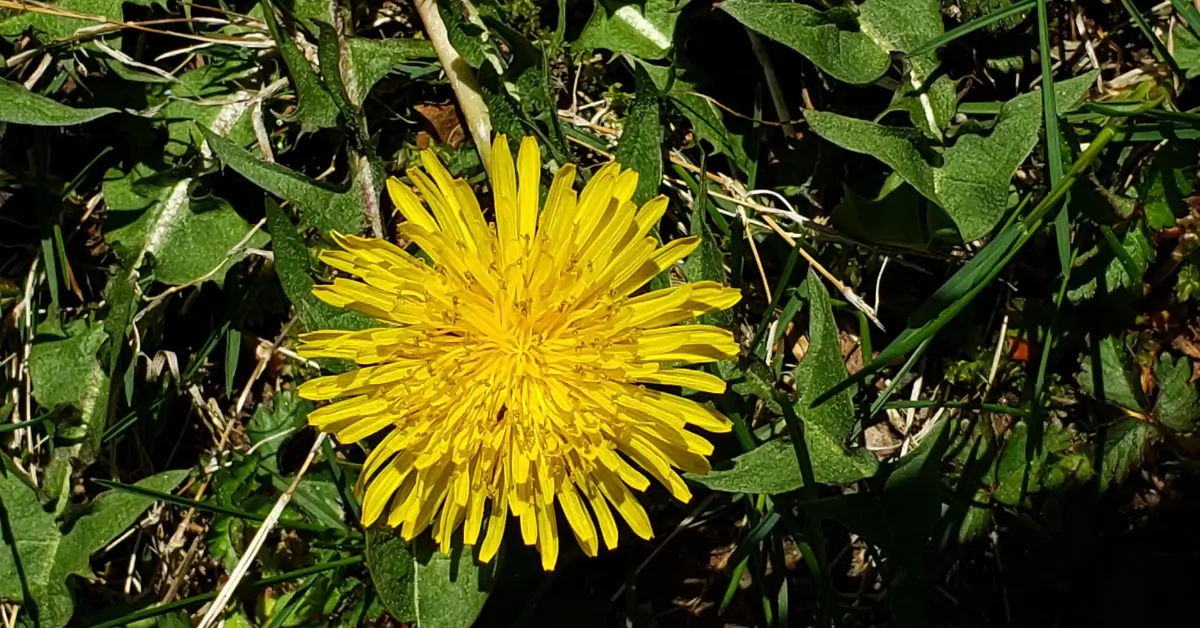
Dandelion: A perennial broadleaf weed with bright yellow flowers and deep taproots. It cannot be prevented with pre‑emergents; instead, spot‑treat or dig out roots.
Clover: A perennial that fixes nitrogen and often indicates low soil fertility. Some homeowners appreciate clover’s ecological benefits; if not, manual removal or selective herbicides help.
Nutsedge: A perennial sedge with triangular stems and light green leaves. It prefers wet soils and spreads via underground tubers. Difficult to control; select post‑emergent herbicides are required.
Henbit, chickweed and others: Cool‑season weeds that germinate in fall and bloom in spring. Hand pulling or fall pre‑emergent treatments reduce them.
Prevention Through Healthy Turf
The best weed control is a vigorous lawn. Weeds exploit bare patches and thin turf. MRW Lawns suggests timing weed control early in spring before seeds germinate. Here’s how to strengthen your lawn:
Mow high. Keeping grass around 3 inches tall shades the soil, making it harder for weed seeds to germinate. Never remove more than one‑third of the blade at a time.
Water deeply and infrequently. One inch of water per week encourages deep roots. Water early in the morning to reduce disease.

Fertilize appropriately. Healthy turf competes better against weeds. Soil tests help determine nutrient needs. Apply slow‑release fertilizer in fall to strengthen roots and avoid excessive spring growth that invites disease.
Aerate and overseed. Aerate compacted soil and overseed with quality grass seed to thicken your lawn in fall. Dense turf leaves little room for weeds.
Pre‑Emergent Herbicides
Pre‑emergents create a chemical barrier that stops weed seeds from germinating. Apply them in early spring when soil temperatures reach 50–55°F, typically when forsythia blooms fade. Products containing pendimethalin, dithiopyr or prodiamine target crabgrass and other annual grassy weeds. Water lightly after application to activate the barrier, and avoid disturbing the soil, which breaks the seal.
Note: Pre‑emergents will also prevent desirable grass seeds from sprouting, so overseeding and pre‑emergents shouldn’t be done simultaneously. Instead, overseed in fall or use a pre‑emergent that allows for seeding (such as mesotrione products).
Post‑Emergent Herbicides
When weeds are already present, post‑emergent herbicides provide selective control. Broadleaf herbicides containing 2,4‑D, dicamba and MCPP target dandelions, clover and plantain without harming cool‑season grasses. For tough perennial grassy weeds like nutsedge, look for products with halosulfuron or sulfentrazone. Always read labels carefully and apply when temperatures are between 60–85°F to minimize damage to the lawn and environment. Spot spraying rather than broadcasting reduces chemical use and non‑target impacts.
If you prefer organic methods, iron‑based weed killers work on broadleaf weeds by causing lethal iron uptake. They are safe for most grasses but may require repeated applications.
Organic and Manual Methods
Non‑chemical options are effective when weeds are few and can be integrated with chemical control to reduce overall herbicide use. The Chesapeake Bay Foundation recommends several natural techniques:
Hand pulling: Use a weed popper or trowel to remove individual weeds, ensuring you extract the roots.
Vinegar: Spray full‑strength horticultural vinegar on young weeds on a hot day. Vinegar is non‑selective and may damage grass, so apply carefully.
Boiling water: Pour boiling water over weeds in cracks or gravel; it cooks the plant tissue.
Corn gluten meal: An organic pre‑emergent that inhibits seed germination and adds nitrogen to the lawn.
Mulching: Cover bare soil with mulch to block light and prevent weed seed germination.

Consider living with a few weeds. Dandelions and clover provide early nectar for pollinators and fix nitrogen. A perfect lawn isn’t always the most environmentally friendly.
Integrated Weed Management Schedule
Early Spring (March–April): Apply pre‑emergent herbicide before soil warms above 55°F. Fertilize lightly if needed.
Late Spring (May–June): Monitor for broadleaf weeds; spot‑spray with post‑emergents. Mow regularly at proper height.
Summer (July–August): Continue mowing high and watering deeply. Treat nutsedge when actively growing. Hand pull weeds after rain when soil is soft.
Fall (September–November): Aerate and overseed to thicken turf. Apply broadleaf herbicide when temperatures are cooler. Remove fallen leaves to prevent damp conditions that encourage weeds.
When to Seek Professional Help
Persistent weeds like Japanese stiltgrass or ground ivy may require professional herbicide applications. Large infestations or sensitive sites near water sources call for expert guidance. Professional lawn care companies like HMD Landscaping can identify weeds, recommend targeted treatments and integrate weed control into a comprehensive lawn care program. They also have access to commercial‑grade products not sold at garden centers.
Conclusion
Effective weed control is part science, part art. By identifying weeds, maintaining a healthy lawn and using a mix of pre‑ and post‑emergent products along with organic methods, you can drastically reduce weed pressure. Remember that some weeds are inevitable, and diversity can benefit pollinators and soil health. For stubborn problems or if you’d rather not manage it yourself, HMD Landscaping offers integrated lawn care services throughout Baltimore. Contact us to reclaim your lawn and enjoy a lush, weed‑resistant yard.
