
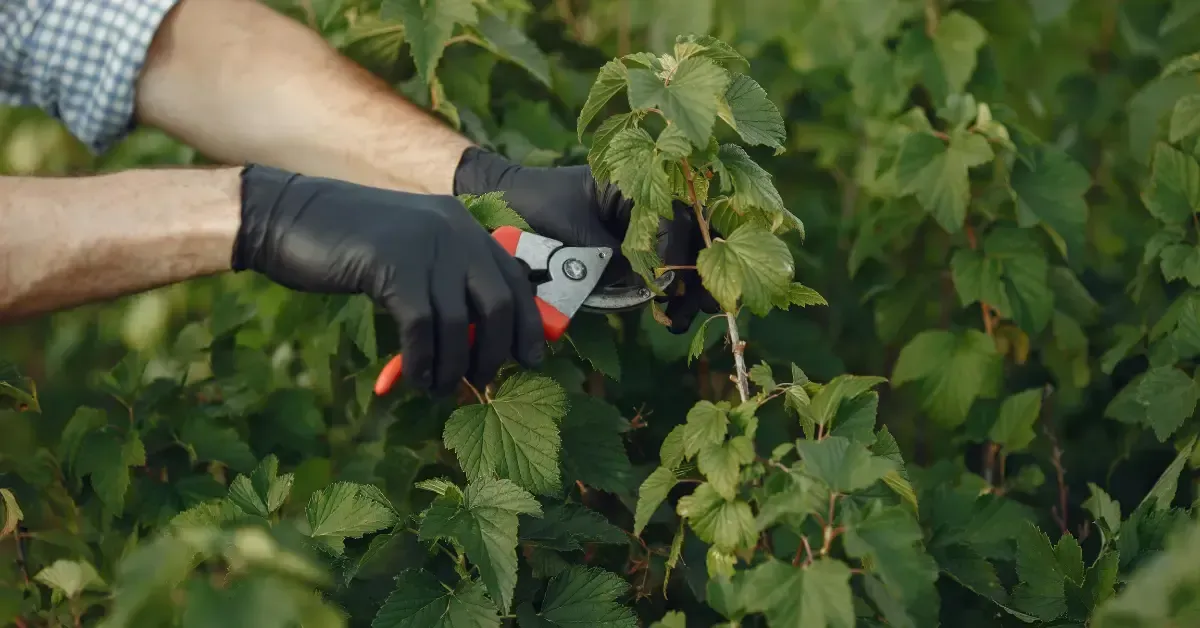
Importance of Regular Tree and Shrub Trimming | Baltimore Pruning Guide
Introduction
Pruning is both an art and a science. It involves removing certain parts of a plant—branches, buds or roots—to enhance the plant’s health, safety and aesthetics. Regular tree and shrub trimming is not merely cosmetic; it promotes growth, prevents disease, protects property and ensures that plants age gracefully. Whether you maintain a single backyard maple or manage multiple commercial properties, understanding pruning’s importance is key to a thriving landscape.
Health Benefits

Removing dead, diseased or damaged branches allows a plant to direct energy to healthy growth. ProLandscapesMD emphasizes preventive pruning as a way to stop pests and diseases before they spread and to improve air flow and sunlight penetration. Crossing branches rub against each other, creating wounds that invite pathogens. Removing them reduces injury and encourages a stronger structure.
Pruning also promotes vigorous new growth. When you cut back a branch to a bud or lateral branch, the plant responds by producing shoots and leaves, increasing photosynthesis. For shrubs, thinning can rejuvenate old wood, stimulating flowering and fruiting.
Disease and Pest Prevention
Dead and dying branches are invitations for pests and fungal infections. According to ProLandscapesMD, preventive pruning reduces pest habitats and allows air and light into the canopy. Better air circulation helps foliage dry quickly after rain, minimizing fungal diseases. Removing infected wood prevents pathogens from spreading to healthy tissue. Clean, angled cuts heal faster and create a barrier against disease entry.
Improved Structure and Safety

Structural pruning shapes young trees to develop a strong framework. Properly spaced scaffold branches, a dominant central leader and balanced crown reduce the risk of breakage in storms. Thinning crowded crowns lessens wind resistance—important in a region prone to hurricanes and nor’easters. As a tree matures, removing dead wood prevents limbs from falling and damaging property or injuring people. Clearance pruning around buildings, walkways and utility lines prevents conflicts and improves visibility.
Timing Matters
Timing your pruning is critical. ProLandscapesMD notes that late winter to early spring (February–April) minimizes plant stress and pest pressure. Trees are still dormant, and wounds heal quickly when growth resumes. Avoid pruning just before heavy frost or during sap flow on species like maples and birches. For spring‑flowering shrubs (e.g., azalea, forsythia, lilac), prune immediately after blooms fade, as they set buds on old wood. Summer or fall pruning of these species will remove next year’s flowers. Summer‑flowering shrubs that bloom on new wood, such as hydrangea paniculata, can be pruned in late winter without sacrificing blooms.
Pruning Techniques and Tools
Clean cuts: Use sharp, clean tools to make smooth cuts at a 45‑degree angle just above an outward‑facing bud. Angled cuts shed water and reduce infection risk. Sterilize blades with rubbing alcohol or bleach solution between cuts, especially when pruning diseased wood.
Thinning vs. heading: Thinning removes entire branches to reduce density and improve airflow. Heading cuts shorten branches to promote bushier growth. Avoid “topping” trees, which removes large portions of the canopy; it stresses trees and encourages weak, fast‑growing shoots.
Three‑cut method: For large branches, make a small undercut 6–12 inches from the trunk, then a top cut slightly beyond it to remove the weight, and finally a clean cut outside the branch collar. This prevents bark tearing and facilitates proper healing.
When to Hire Professionals

Pruning tall trees, removing large limbs or working near power lines is dangerous and requires professional expertise. Certified arborists have the equipment, insurance and knowledge to prune safely. They can also diagnose diseases, identify structural issues and recommend care. For mature trees that require climbing or aerial lifts, hiring a professional is the best choice. Shrub shaping and small tree pruning can be DIY with proper tools and techniques, but when in doubt, consult an expert like HMD Landscaping.
Conclusion
Regular tree and shrub trimming safeguards plant health, enhances beauty and protects your property. By removing dead and diseased wood, improving airflow and shaping young plants, you reduce pest problems and storm damage. Timing and technique matter—late winter pruning is often best, but some plants need post‑bloom trimming. If you’re unsure or dealing with large trees, trust professionals. HMD Landscaping provides expert tree and shrub care in Baltimore, ensuring your landscape stays healthy and safe. Contact us to schedule a pruning assessment and keep your greenery thriving.
