
Native Plants That Thrive in Baltimore Gardens | Maryland Landscaping Guide
Introduction
Native plants are the backbone of sustainable gardens. Because they evolved in our region, they thrive with less water, fertilizer and chemical intervention than exotic species. They also provide food and habitat for local wildlife, including bees, butterflies and songbirds. As more Baltimore homeowners embrace eco‑friendly landscapes, native plants are gaining popularity. Here is a curated list of species that will flourish in Charm City gardens, along with design tips to make your native garden beautiful year‑round.
Understanding Baltimore’s Growing Conditions
Baltimore lies in USDA hardiness zones 7b–8a. Summers are hot and humid; winters are cool with occasional freezes. Rainfall averages 42 inches per year but varies by season. Urban gardens may have compacted or acidic soils, while suburban yards often have clay. When selecting plants, consider sun exposure, soil type and moisture. Many natives tolerate a range of conditions but perform best when matched to the right site.
Flowering Perennials
Smooth Blue Aster (Symphyotrichum laeve) – This fall‑blooming wildflower produces lavender‑blue daisies from August to October. It attracts bees and butterflies and grows 1–3 feet tall. Plant in full sun or partial shade in well‑drained soil. Combine with goldenrods for a stunning autumn display.

Blue‑Stemmed Goldenrod (Solidago caesia) – Unlike some aggressive goldenrods, this shade‑tolerant species forms graceful clumps with yellow plume flowers from late summer to fall. It prefers partial shade and dry to medium soil. Its wiry stems add textural contrast in woodland gardens.
Cardinal Flower (Lobelia cardinalis) – Named for its scarlet red spikes reminiscent of a cardinal’s robe, this biennial or short‑lived perennial blooms from July through September. It attracts hummingbirds and thrives in moist, partly shaded sites. Plant near a pond or rain garden; ensure constant moisture for best performance.
Wild Bergamot (Monarda fistulosa) – Also known as bee balm, this member of the mint family produces shaggy lavender flowers and releases a minty fragrance. It grows 1.5–5 feet tall in full sun or part sun and prefers well‑drained soil. The blooms attract bees, butterflies and hummingbirds, and the leaves can be used in tea.
Black‑Eyed Susan (Rudbeckia hirta) – Maryland’s state flower, this cheerful perennial (often grown as an annual) sports yellow petals with dark centers. It blooms from June through September and tolerates a range of soils and moisture levels. Deadhead spent blooms to prolong flowering and reseeding.
Pink Turtlehead (Chelone obliqua) – This late‑summer bloomer produces clusters of pink, hooded flowers resembling a turtle’s head. It thrives in moist soils and partial shade, making it ideal for rain gardens or stream edges.
Grasses and Groundcovers
Pennsylvania Sedge (Carex pensylvanica) – A low, clumping sedge that tolerates dry shade. It forms a soft, turf‑like groundcover that requires little mowing. Use under trees or along pathways.
Blue Sedge (Carex glaucodea) – With blue‑green foliage and fountain‑like form, this sedge prefers moist, slightly acidic soils and grows well in part shade. It adds texture and movement to rain gardens or woodland edges.
Allegheny Pachysandra (Pachysandra procumbens) – A native alternative to the invasive Japanese pachysandra, this evergreen groundcover thrives in dry shade and produces fragrant white flowers in spring. It spreads slowly and suppresses weeds.
Virginia Creeper (Parthenocissus quinquefolia) – A vigorous vine that clings to walls or trellises with adhesive pads, providing brilliant red fall color. Use to cover fences or pergolas but provide space—this vine grows quickly.

Shrubs
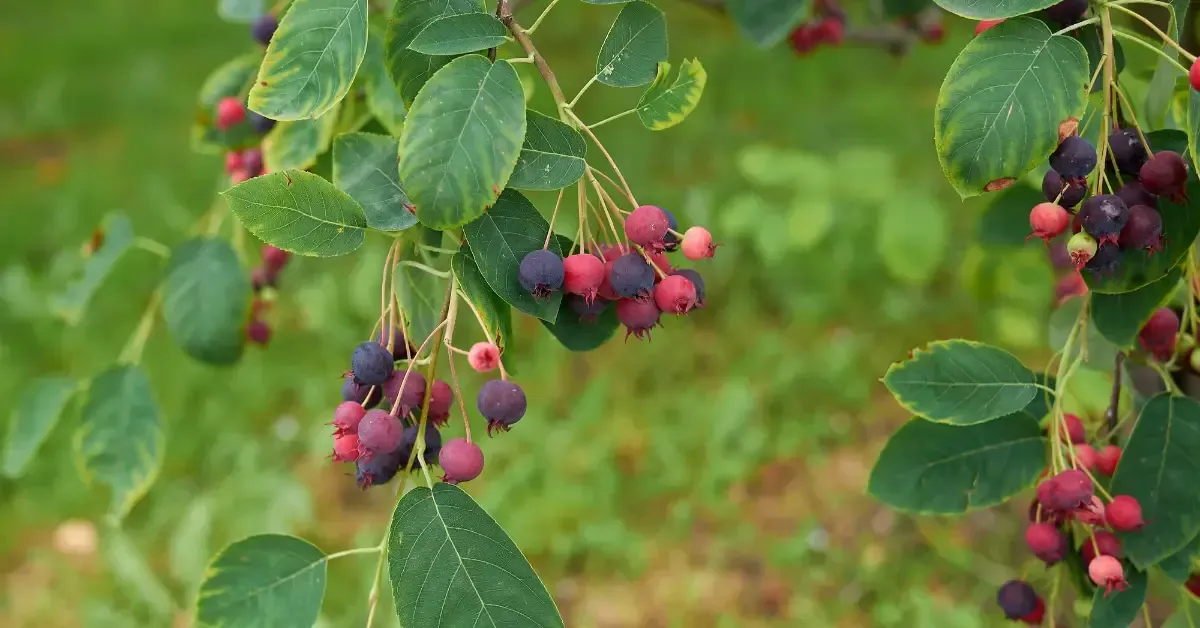
Serviceberry (Amelanchier canadensis) – A multi‑stemmed shrub or small tree with early spring white flowers, summer berries loved by birds and orange‑red fall foliage. Grows 15–25 feet and tolerates sun to partial shade.
Winterberry (Ilex verticillata) – A deciduous holly with bright red berries in winter (requires male and female plants for fruit set). It prefers wet or acidic soils and full sun to partial shade.
Inkberry (Ilex glabra) – An evergreen holly with dark green leaves and black berries. It forms a dense mound 5–8 feet tall and thrives in moist soils. Use as a foundation plant or hedge.
Spicebush (Lindera benzoin) – A shrub with yellow spring flowers, aromatic leaves and bright red berries on female plants. It grows in moist woodlands and supports spicebush swallowtail butterflies.
Trees
Eastern Redbud (Cercis canadensis) – This small understory tree produces magenta blooms on bare branches in early spring. It grows 20–30 feet tall and prefers well‑drained soil and partial shade.

River Birch (Betula nigra) – With cinnamon‑colored peeling bark and graceful form, river birch tolerates wet soils and is resistant to the bronze birch borer. It grows 40–70 feet tall and thrives near streams or rain gardens.
Red Maple (Acer rubrum) – A versatile shade tree with brilliant red fall color and tolerance of moist soils. It grows 40–60 feet tall. Plant cultivars like ‘October Glory’ for extended color.
Designing with Natives
To create an attractive native garden, think in layers. Combine spring ephemerals and bulbs like Virginia bluebells and trillium with summer‑blooming coneflowers and asters. Plant grasses like switchgrass or little bluestem behind perennials for height and movement. Group plants in drifts for visual impact and easier pollinator foraging. Include shrubs and small trees to provide structure and winter interest. Leave seed heads standing in fall and winter to feed birds and add texture.
Native gardens can be formal or naturalistic. In a small urban yard, anchor beds with evergreen inkberry and groundcover sedges, then interplant with seasonal perennials. For a meadow look, mix goldenrods, asters and grasses with milkweed and mountain mint. Use paths and seating to invite exploration.
Where to Buy and Resources
Look for native plants at local nurseries such as Herring Run Nursery in Baltimore, Lauren’s Garden Service in Howard County or Blue Water Baltimore plant sales. Join the Maryland Native Plant Society for resources and plant swaps. The Chesapeake Bay Foundation’s Bay‑Wise program and the University of Maryland Extension offer guidance on selecting and caring for natives. Always choose plants grown without neonicotinoids to protect pollinators, and avoid invasive look‑alikes.
Conclusion
Native plants provide beauty, resilience and ecological benefits, making them ideal for Baltimore gardens. By selecting the right species and designing thoughtfully, you can enjoy a landscape that requires less water and fertilizer, attracts birds and butterflies, and changes with the seasons. HMD Landscaping can help you plan, source and install native plantings that fit your site and style. Ready to create a garden that supports local wildlife and looks stunning year‑round? Contact us for a native planting consultation today.
