
Eco‑Friendly Landscaping Ideas for Baltimore Homes | Sustainable Yards
Introduction
Eco‑friendly landscaping—also called “Bay‑friendly” in our region—is a way to create and maintain your yard that benefits the environment, requires fewer resources and still looks beautiful. It reduces pollution, conserves water and supports native wildlife. In the Chesapeake Bay watershed, where turf grass is the largest crop, poorly managed lawns contribute to runoff and nutrient pollution. By adopting eco‑friendly practices, you can make a positive impact while enjoying a healthy, low‑maintenance landscape.
Reduce Lawn Area

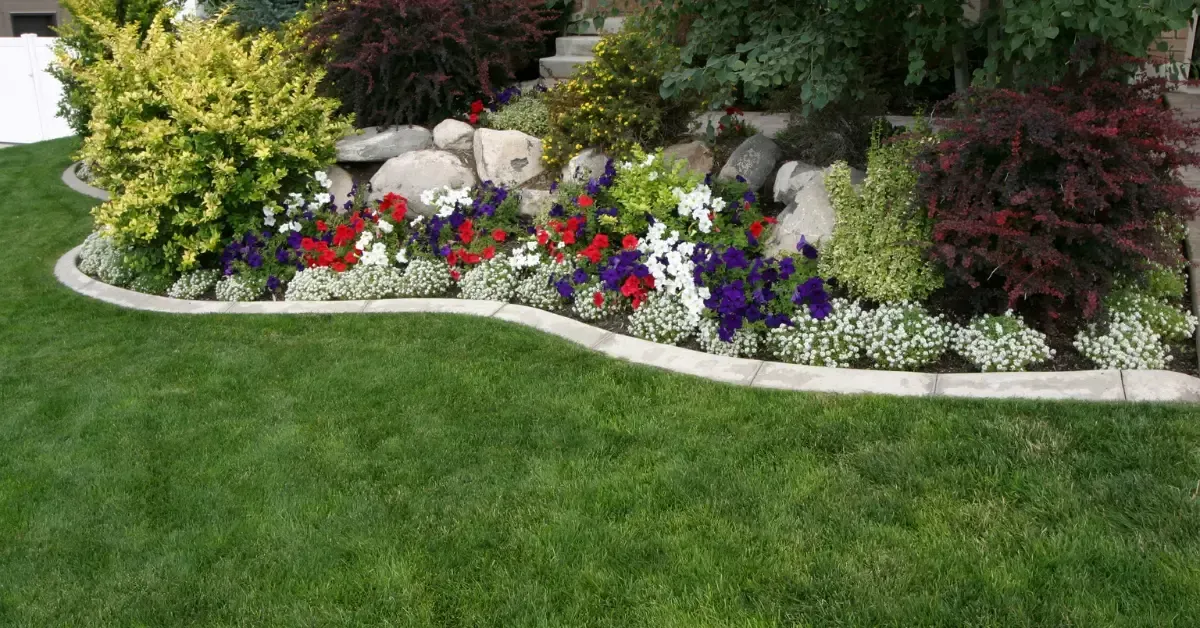
Lawns demand regular mowing, watering and fertilization. The Chesapeake Bay Foundation recommends shrinking turf in favor of larger flower beds, vegetable gardens and wildflower meadows. Avoid growing grass under trees, where it competes for moisture and nutrients. Instead, mulch beneath trees or plant shade‑loving groundcovers like Allegheny pachysandra. On slopes, use shrubs or no‑mow native grasses like switchgrass to control erosion. Groundcovers and native grasses not only reduce mowing but also provide habitat for beneficial insects.
Choose Native and Drought‑Tolerant Plants
Eco‑friendly landscapes rely on plants adapted to local conditions. Native species need less water and fertilizer and support wildlife. Select a mix of trees, shrubs, perennials and grasses that provide food and shelter year‑round. Examples include:
Smooth blue aster, goldenrod and bergamot – Provide late‑season blooms and nectar.

Serviceberry and winterberry – Offer berries for birds and seasonal interest.
Switchgrass and little bluestem – Drought‑tolerant grasses that add movement and winter structure.
Drought‑tolerant non‑natives like lavender or Russian sage can also be included sparingly.
Use Compost and Organic Fertilizers

Healthy soil is the foundation of an eco‑friendly garden. Compost adds organic matter, improves soil structure and provides slow‑release nutrients. Make your own compost from kitchen scraps, leaves and grass clippings, or purchase from local suppliers. When fertilizing, choose organic or slow‑release products and apply in fall. Sweep any granules off hard surfaces into your yard to prevent runoff.
Natural Pest and Weed Control
Chemical pesticides and herbicides can harm beneficial insects, wildlife and waterways. Adopt Integrated Pest Management (IPM) by monitoring pests and using cultural controls first. Encourage beneficial insects like ladybugs and lacewings by planting diverse flowers. For weeds, remove them by hand or use natural products:
Corn gluten meal acts as an organic pre‑emergent, inhibiting seed germination.
Vinegar sprayed on young weeds burns foliage.
Boiling water kills weeds in driveways or between pavers.
Mulch suppresses weed growth and conserves moisture.
Accept a few weeds—dandelions and clover provide pollinator food and fix nitrogen.
Water Wisely
Over‑watering wastes water and leads to shallow roots. Aim for one inch per week, applied early in the morning. Install drip irrigation or soaker hoses to deliver water directly to roots. Use rain barrels to collect roof runoff and water your garden for free. Smart irrigation controllers adjust watering based on soil moisture and weather forecasts, reducing waste.
Eco‑Friendly Lawn Equipment
Traditional gas mowers and trimmers emit pollutants. Evaluate the size of your lawn and consider manual tools or rechargeable electric mowers. Keep blades sharp to reduce stress on grass and choose mulching mowers that return clippings to the lawn. Simple tools like shears and bamboo rakes also minimize noise and emissions.
Rain Gardens and Permeable Surfaces
Stormwater runoff carries pollutants to streams and the Bay. Reduce runoff by installing rain gardens—shallow basins planted with water‑loving natives that absorb and filter stormwater. Plants like swamp milkweed, blue flag iris and Joe‑Pye weed thrive in these conditions. Use permeable pavers or gravel for driveways and patios to allow rainwater to infiltrate. These practices protect waterways and recharge groundwater.
Wildlife Habitat and Pollinator Support
Create habitats that sustain birds, butterflies and bees. Plant a variety of flowers with overlapping bloom times for continuous nectar. Include host plants for caterpillars (e.g., milkweed for monarchs, spicebush for swallowtails). Provide water sources like shallow basins or birdbaths. Leave some leaf litter and seed heads over winter to shelter insects and feed birds. Avoid pesticides that harm pollinators.
Conclusion
Eco‑friendly landscaping isn’t just a trend; it’s a commitment to protecting our environment while creating beautiful, low‑maintenance spaces. By reducing lawn areas, choosing native plants, using compost, practicing natural pest control, conserving water and providing wildlife habitat, you’ll build a resilient landscape that benefits both you and the Chesapeake Bay. HMD Landscaping specializes in sustainable landscape design and maintenance for Baltimore properties. Ready to transform your yard into a haven for people and wildlife? Contact us to schedule an eco‑friendly landscape consultation.
